What is Addiction?
Addiction is a condition where a person cannot stop using a substance or doing an activity, even when it causes harm. For example, people may struggle with alcohol, drugs, or gambling. Often, addiction affects the brain and behavior. Because of this, breaking the cycle of addiction can be very hard without help.
The Cycle of Addiction
Many people find themselves trapped in a cycle. First, they use a substance to feel better or escape stress. Next, their body and mind start to depend on it. Soon, they need more to get the same effect. After that, stopping becomes difficult, and withdrawal symptoms may appear. As a result, the cycle repeats, making it tough to quit alone.
Challenges in Breaking the Cycle
Breaking the cycle of addiction is not easy. Many face strong cravings and withdrawal symptoms. In addition, emotional issues like anxiety or depression can make things worse. Sometimes, people feel ashamed or fear judgment. Because of these challenges, many try to quit but relapse. However, with the right support, recovery is possible.
The Role of Professional Support in Recovery
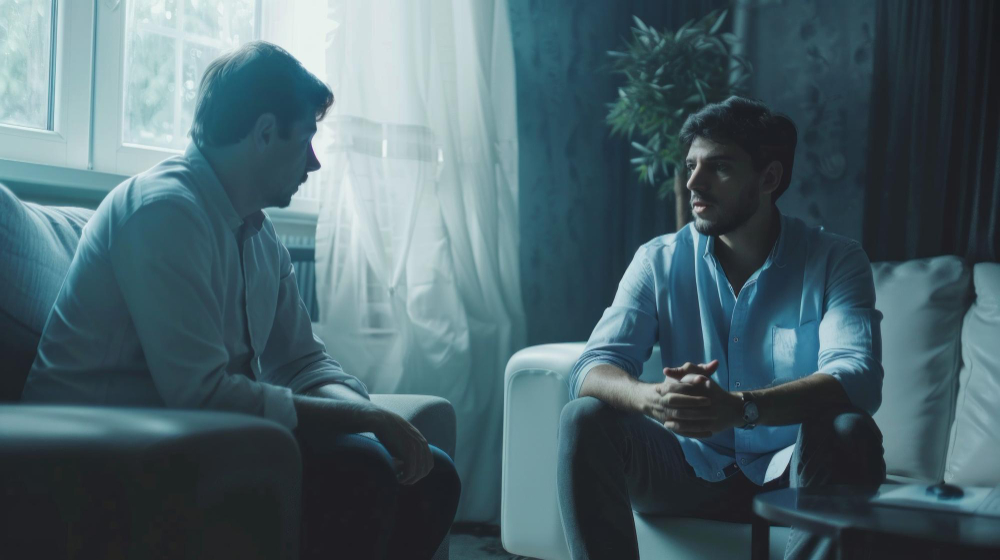
Professional help for addiction is very important. Experts like doctors, therapists, and counselors understand addiction well. They use proven methods to guide people through recovery. For instance, they may offer counseling, medication, or group therapy. With professional support, people learn new ways to cope and avoid triggers. Therefore, addiction recovery support increases the chances of long-term success.
Benefits of Physiotherapy and Rehabilitation in Addiction Recovery
Physiotherapy in addiction treatment can help the body heal. Many people with addiction have pain, weakness, or injuries. Physiotherapists design safe exercises to rebuild strength and improve movement. In addition, rehabilitation for addiction offers a safe space to recover. Rehab centers provide medical care, therapy, and support groups. As a result, people can focus on healing both body and mind.
How to Seek Professional Help
If you or someone you know needs help, start by talking to a doctor or addiction specialist. Many cities offer addiction support services. You can search for “addiction support in [Your City]” to find local resources. Also, many clinics and hospitals have programs for addiction recovery support. Remember, asking for help is a sign of strength, not weakness.
Tips for Supporting Loved Ones
Supporting someone with addiction can be hard. However, your care can make a big difference. Here are some tips:
Prevention and Lifestyle Guidance
Preventing addiction is possible with healthy choices. For example, manage stress with exercise, hobbies, or talking to friends. In addition, avoid risky situations and learn about the dangers of substance use. If you notice early signs of addiction, seek help quickly. Early action can stop the cycle before it starts.
In summary, overcoming addiction can be challenging, but with the right support and guidance, recovery is possible. Professional care, rehabilitation support, and a healthy recovery plan can help individuals regain control and improve their quality of life.
Consult Shanti Wellness and Rehab Centre for personalized addiction recovery support and rehabilitation guidance.