What Is Low Self-Esteem?
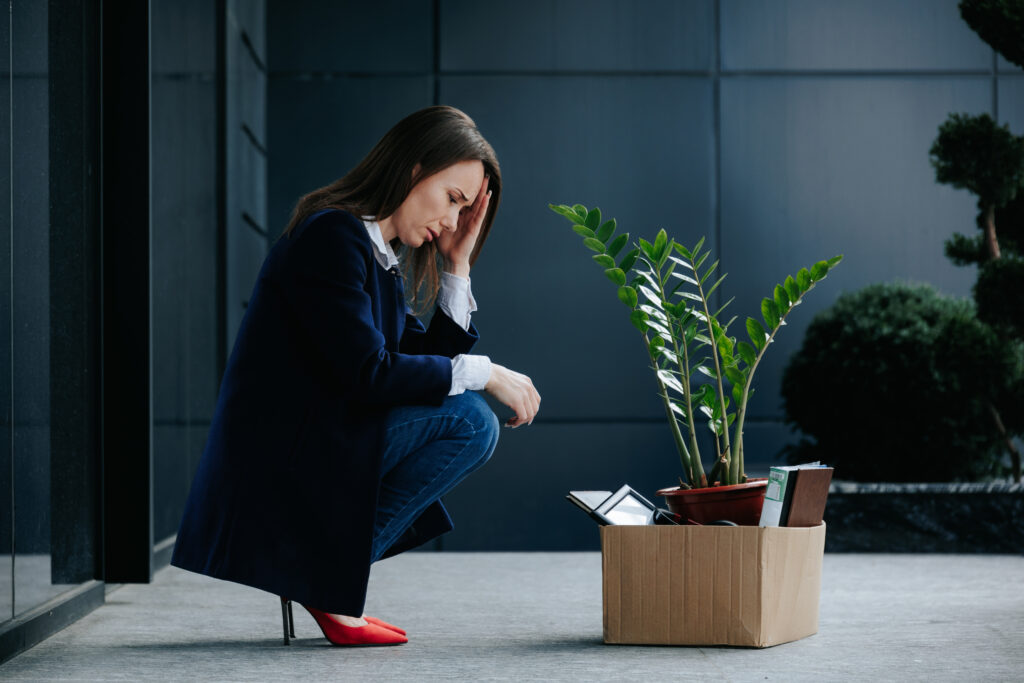
Low self-esteem means having a poor opinion of yourself. People with low self-esteem may feel unworthy or doubt their abilities. In many cases, these feelings can affect daily life. Counseling low self-esteem can help people feel better about themselves. It is important to know that self-esteem can change over time. With support, most people can improve their self-confidence.
How Low Self-Esteem Affects Physical Rehabilitation
Low self-esteem can make physical rehabilitation harder. For example, some people may not believe they can recover. Others may avoid therapy or feel embarrassed about their progress. Because of this, counseling low self-esteem is important in rehabilitation. According to the World Health Organization (WHO), mental health is key to physical recovery. When people feel better about themselves, they are more likely to take part in therapy and reach their goals.
Signs and Symptoms of Low Self-Esteem
It is helpful to know the signs of low self-esteem. Early support can make a big difference. Common signs include:
If you notice these signs, consider seeking help. Early counseling can support recovery and boost confidence.
Causes of Low Self-Esteem in Rehabilitation Settings
Many factors can lead to low self-esteem during rehabilitation. For instance, a sudden injury or illness can change how a person feels about themselves. Other common causes include:
Because these challenges are common, self-esteem counseling in physiotherapy is often recommended. It helps people cope with changes and stay motivated.
Counseling Approaches for Low Self-Esteem
There are several ways to address low self-esteem in physical medicine and rehabilitation. Some common counseling approaches include:
In addition, rehabilitation for low self-esteem often includes regular check-ins with a counselor or therapist. These sessions help track progress and adjust strategies as needed.
Benefits of Counseling in Physical Medicine and Rehabilitation
Counseling low self-esteem offers many benefits during recovery. For example, it can:
According to studies in peer-reviewed journals, boosting self-confidence through physical medicine leads to better outcomes. People who feel good about themselves often recover faster and stay engaged in their care.
Tips to Boost Self-Esteem During Recovery
There are simple steps you can take to build self-esteem while recovering. Try these tips:
Remember, progress may be slow. However, every step forward counts. With time and support, self-esteem can grow.
Prevention and Long-Term Strategies
Preventing low self-esteem is possible with the right strategies. For instance, regular check-ins with a counselor can help. In addition, staying active in therapy and setting new goals keeps you motivated. Long-term strategies include:
Over time, these steps can help maintain healthy self-esteem. As a result, you may feel more confident and ready to face new challenges.
In summary, counseling low self-esteem is a key part of physical medicine and rehabilitation. It helps people recover faster and feel better about themselves. Consult a qualified physiotherapist at Shanti Wellness and Rehab Centre for personalized support with low self-esteem.