
Introduction
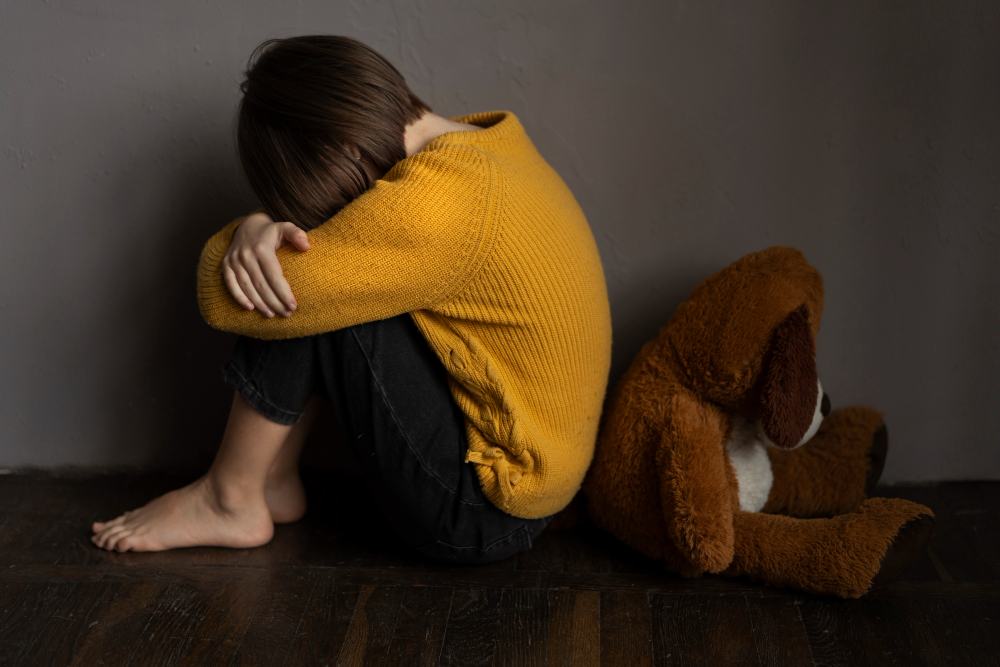
Childhood trauma is a serious issue that affects many children. It happens when a child experiences events that are deeply distressing or harmful. These events can impact both the mind and body. In physical medicine and rehabilitation, or physiotherapy, experts help children recover from trauma. Early support can make a big difference in a child’s life. Therefore, understanding childhood trauma is important for parents, caregivers, and teachers.
Symptoms of Childhood Trauma
Children may show many signs of childhood trauma. Sometimes, these signs are easy to miss. However, knowing what to look for can help you act early. Common symptoms include:
In addition, some children may have trouble focusing at school. Others may become easily upset or angry. If you notice these signs, it is important to seek help.
Common Causes and Risk Factors
There are many causes of childhood trauma. Some children face more than one risk factor. For example, trauma can result from:
Additionally, children with limited support or those living in unsafe environments are at higher risk. Early intervention can help reduce long-term effects.
Diagnosis and Assessment Methods
Diagnosing childhood trauma involves several steps. First, healthcare providers talk with the child and family. They ask about the child’s history and current symptoms. Next, they may use special questionnaires or checklists. These tools help identify signs of trauma. Sometimes, doctors also perform physical exams. This helps rule out other causes of pain or movement problems. In some cases, a team of specialists, including physiotherapists, psychologists, and doctors, work together. This team approach ensures the child gets the right care.
Rehabilitation and Physiotherapy Approaches
Rehabilitation for childhood trauma focuses on both the mind and body. Physiotherapy for childhood trauma can help children regain strength and movement. It also helps reduce pain and improve daily function. Common approaches include:
Moreover, physiotherapists work closely with other specialists. This team helps address both physical and emotional needs. With the right support, many children make strong progress in childhood trauma recovery.
Lifestyle Guidance and Support Strategies
Support at home and school is key for children recovering from trauma. Here are some helpful strategies:
Furthermore, joining support groups can help families feel less alone. Professional counseling may also be helpful for both children and parents.
Prevention Tips
While not all trauma can be prevented, some steps can lower the risk. For instance:
Above all, building strong family bonds can help protect children from the effects of trauma.
Conclusion
In summary, childhood trauma can affect a child’s mind and body. Early diagnosis and proper rehabilitation, including physiotherapy, are vital for recovery. With support from family, teachers, and specialists, children can heal and thrive. Consult a specialist at Shanti Wellness and Rehab Centre for personalized guidance.