
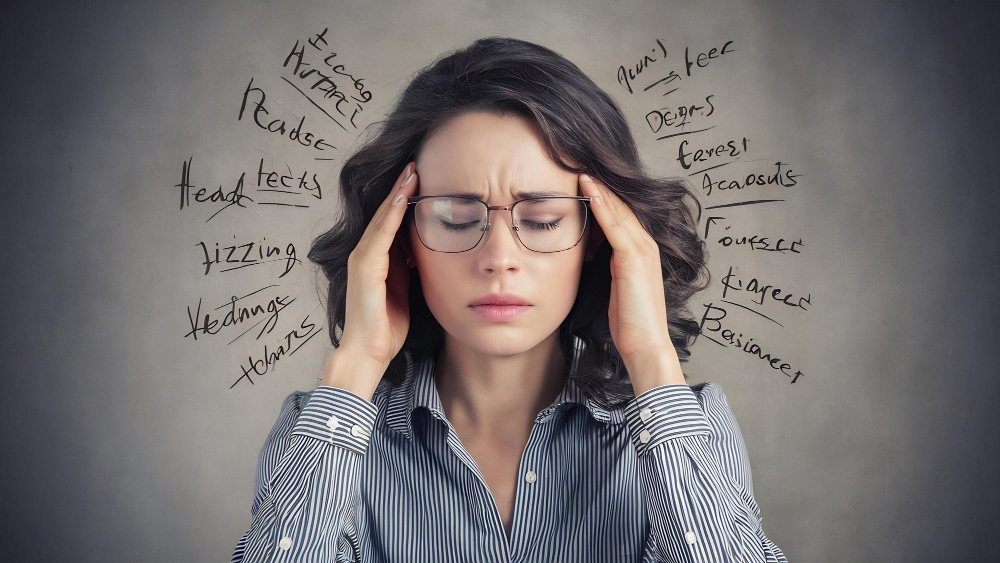
What Is Everyday Stress?
Everyone feels stress at times. Everyday stress is a normal part of life. For example, you might feel stress before a test or a big meeting. In the United States, many people face stress from work, school, or family life. Usually, this type of stress goes away once the situation changes. According to the CDC, stress is your body’s reaction to a challenge or demand. However, not all stress is bad. Sometimes, it can help you stay alert and focused.
What Is Anxiety?
On the other hand, anxiety is more than just stress. Anxiety is a feeling of worry or fear that does not go away, even when there is no clear reason. The World Health Organization explains that anxiety can affect your daily life. For some people, anxiety can last for weeks or months. It may even cause physical symptoms, such as a fast heartbeat or trouble sleeping. Unlike everyday stress, anxiety often feels hard to control.
Key Differences Between Anxiety and Everyday Stress
It is important to know the difference between anxiety and stress. While both can make you feel uneasy, they are not the same. Here are some key differences:
Because of these differences, recognizing anxiety symptoms is important for your well-being.
Symptoms to Watch For
Sometimes, it is hard to tell if you have anxiety or just stress. Still, certain signs can help you know the difference. Watch for these symptoms:
If these symptoms last for weeks or get worse, it may be anxiety. For more on recognizing anxiety symptoms, visit the CDC or WHO websites.
When to Seek Help
Sometimes, stress and anxiety can become too much to handle alone. But when should you seek help for anxiety? Consider reaching out to a healthcare professional if:
Early support can make a big difference. In the United States, many resources are available for mental health support.
Tips for Managing Stress and Anxiety
There are simple ways to manage both stress and anxiety. For example, you can try these stress management tips:
Additionally, practicing mindfulness or meditation can help you feel calmer. If you need more support, consider joining a support group.
Prevention and Lifestyle Guidance
While you cannot avoid all stress, you can lower your risk of anxiety. Try these prevention tips:
Remember, small changes in your daily life can make a big difference. For more guidance, check resources from the CDC or WHO.
In summary, knowing the difference between anxiety and everyday stress can help you take better care of your health. Consult at Shanti Wellness and Rehab Centre for personalized advice on managing anxiety or stress.