
What Is Resilience?
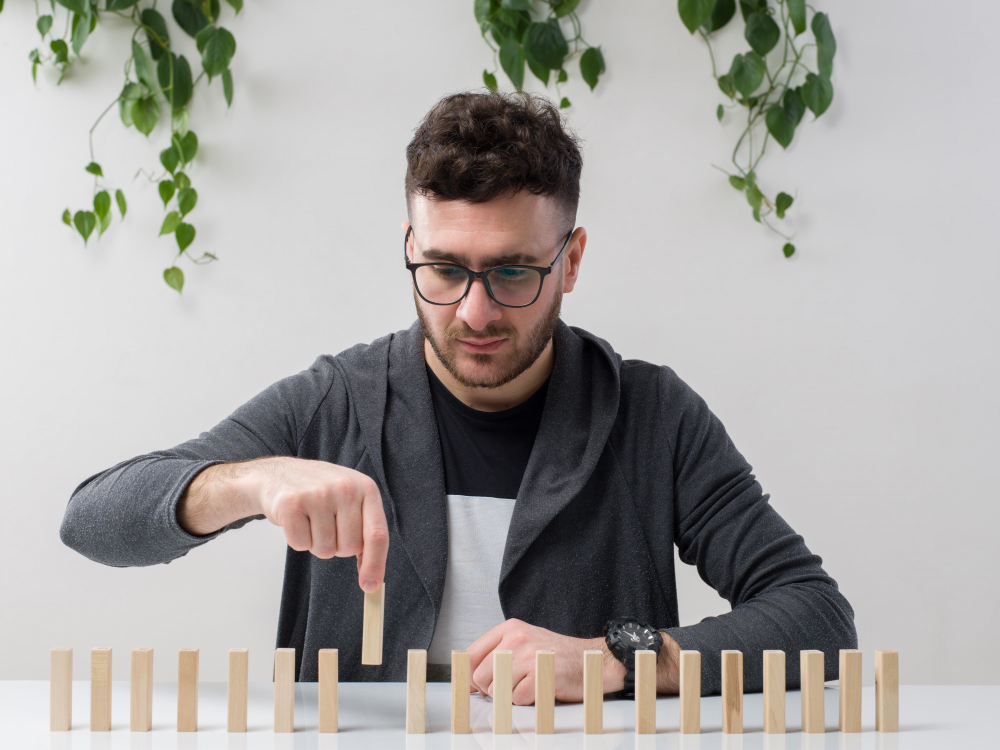
Resilience building means learning how to bounce back from tough situations. In simple terms, resilience is your ability to recover after facing stress, injury, or loss. Many people think of it as mental strength. However, it also includes physical and emotional health. For example, when you face a setback, resilience helps you keep moving forward. According to the World Health Organization (WHO), resilience is a key part of good health. It helps you adapt to changes and challenges in life.
Why Is Resilience Important During Difficult Times?
During hard times, resilience helps you cope and heal. For instance, after an injury or illness, you may feel worried or sad. Yet, strong resilience can help you manage these feelings. It also helps you stay focused on recovery. In addition, resilience can lower your risk of depression and anxiety. Studies show that people with higher resilience often feel more hopeful. They also have better physical and mental health. Therefore, building resilience is important for everyone, especially during tough periods.
Common Challenges That Test Resilience
Many events can test your resilience. Some challenges are sudden, while others build up over time. For example, you may face:
Even daily stress can affect your resilience. However, learning how to cope with these challenges can make you stronger in the long run.
Key Strategies for Building Resilience
There are many ways to build resilience. First, it helps to stay connected with friends and family. Social support can make a big difference. Next, setting small, realistic goals can help you feel in control. In addition, practicing self-care is important. Here are some proven strategies:
Over time, these habits can help you handle stress and recover faster.
The Role of Physical Activity and Physiotherapy in Resilience
Physical activity is a key part of resilience building. For example, regular movement helps your body heal and boosts your mood. Physiotherapy can guide you through safe exercises after injury or illness. In fact, physiotherapists design programs to match your needs and goals. They teach you how to move safely and reduce pain. As a result, you may feel more confident and independent. According to the CDC, staying active can also lower stress and improve sleep. Therefore, adding movement to your daily routine supports both body and mind.
Lifestyle Tips for Strengthening Resilience
Healthy habits make resilience stronger. Even small changes can help. For instance, eating balanced meals gives you energy to face challenges. Getting enough sleep helps your mind and body recover. Here are some simple tips:
With these habits, you can support your resilience every day.
Preventing Burnout and Maintaining Well-Being
Burnout can happen when stress lasts too long. However, you can take steps to prevent it. First, notice early signs like feeling tired or losing interest in activities. Next, make time for things you enjoy. For example, hobbies or gentle exercise can lift your mood. In addition, ask for help when you need it. Physiotherapists and other health professionals can offer support. Remember, taking care of yourself is not selfish. Instead, it helps you stay strong and resilient during difficult times.
Conclusion
If you are facing challenges or want to build your resilience, we are here to help. Book a consultation at Shanti Wellness and Rehab Centre to get support and guidance tailored to your needs.