
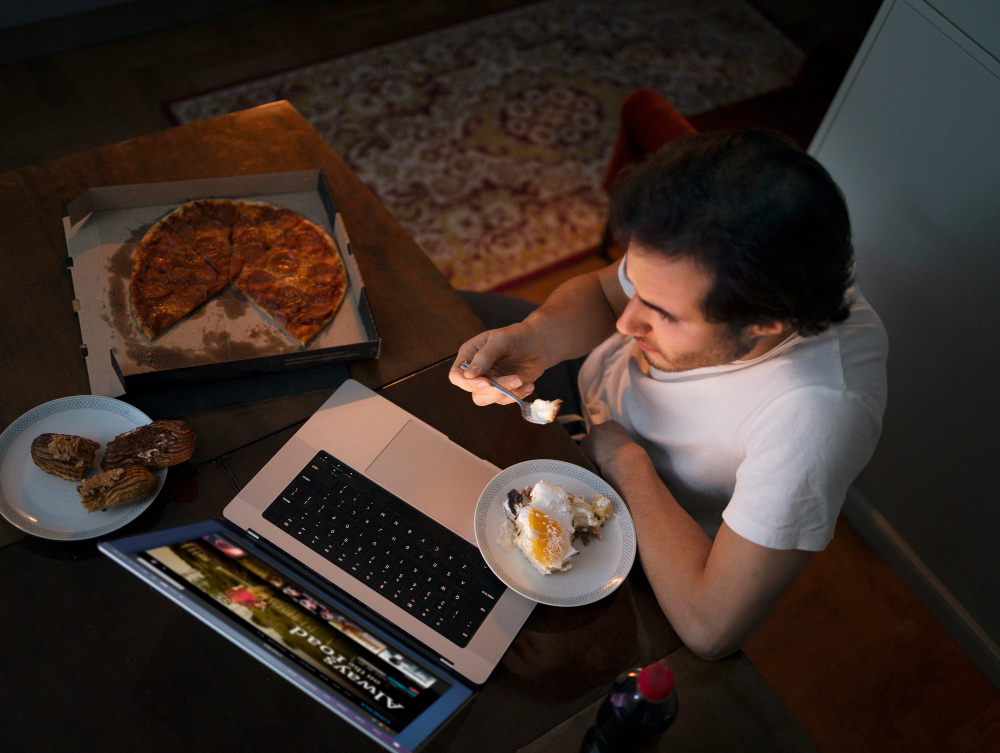
What Is Stress Eating?
Stress eating is when you eat food to cope with feelings like worry, sadness, or anger. Often, people reach for snacks or comfort foods, not because they are hungry, but because they feel stressed. In many cases, stress eating causes people to eat more than usual. This can lead to unhealthy eating habits over time. For some, it becomes a regular way to handle tough emotions. As a result, it can affect both your body and your mind. Understanding why stress eating happens is the first step to breaking the cycle.
The Role of Dopamine in Eating Habits
Dopamine is a chemical in your brain that makes you feel good. When you eat tasty foods, your brain releases dopamine. This creates a feeling of pleasure. Because of this, you may want to eat more, especially when you feel stressed. For example, eating chocolate or chips can give you a quick mood boost. However, this pleasure does not last long. Soon, you may crave more food to feel good again. This is how dopamine and eating habits are linked. Over time, your brain may start to expect food whenever you feel upset. This can make stress eating a hard habit to break.
How Binge Patterns Develop
Sometimes, stress eating turns into binge eating. Binge eating means eating a large amount of food in a short time. Usually, people feel out of control during these episodes. At first, you may eat to feel better. But as time goes on, you may eat more and more. This can become a pattern. For instance, you might eat a whole bag of chips or several cookies at once. Afterward, you may feel full or even sick. Yet, the urge to binge can return the next time you feel stressed. These binge eating patterns can harm your health and well-being.
The Guilt Cycle After Binge Eating
After a binge, many people feel guilty or ashamed. This is called the guilt cycle. First, you eat to cope with stress. Then, you feel bad about what you ate. Because of this guilt, you may feel even more stressed. As a result, you might eat again to feel better. This cycle can repeat many times. Over time, it can lower your self-esteem and make you feel stuck. Breaking the guilt cycle is important for your mental and physical health.
Tips to Break the Cycle and Build Healthy Habits
Although stress eating can feel hard to control, there are ways to break the cycle. Here are some tips to help you build healthier habits:
According to the CDC and other health experts, building small, healthy habits can make a big difference over time. If you find it hard to manage stress eating on your own, you are not alone. Many people face the same challenge.
If you struggle with stress eating, consult at Shanti Wellness and Rehab Centre for personalized support.